



NASCAR Innovators Through The Years
by Tom Jensen April 20, 2026
April 21 is World Creativity and Innovation Day, a holiday established by the United Nations in 2017 to encourage new ideas to make the world a better place.
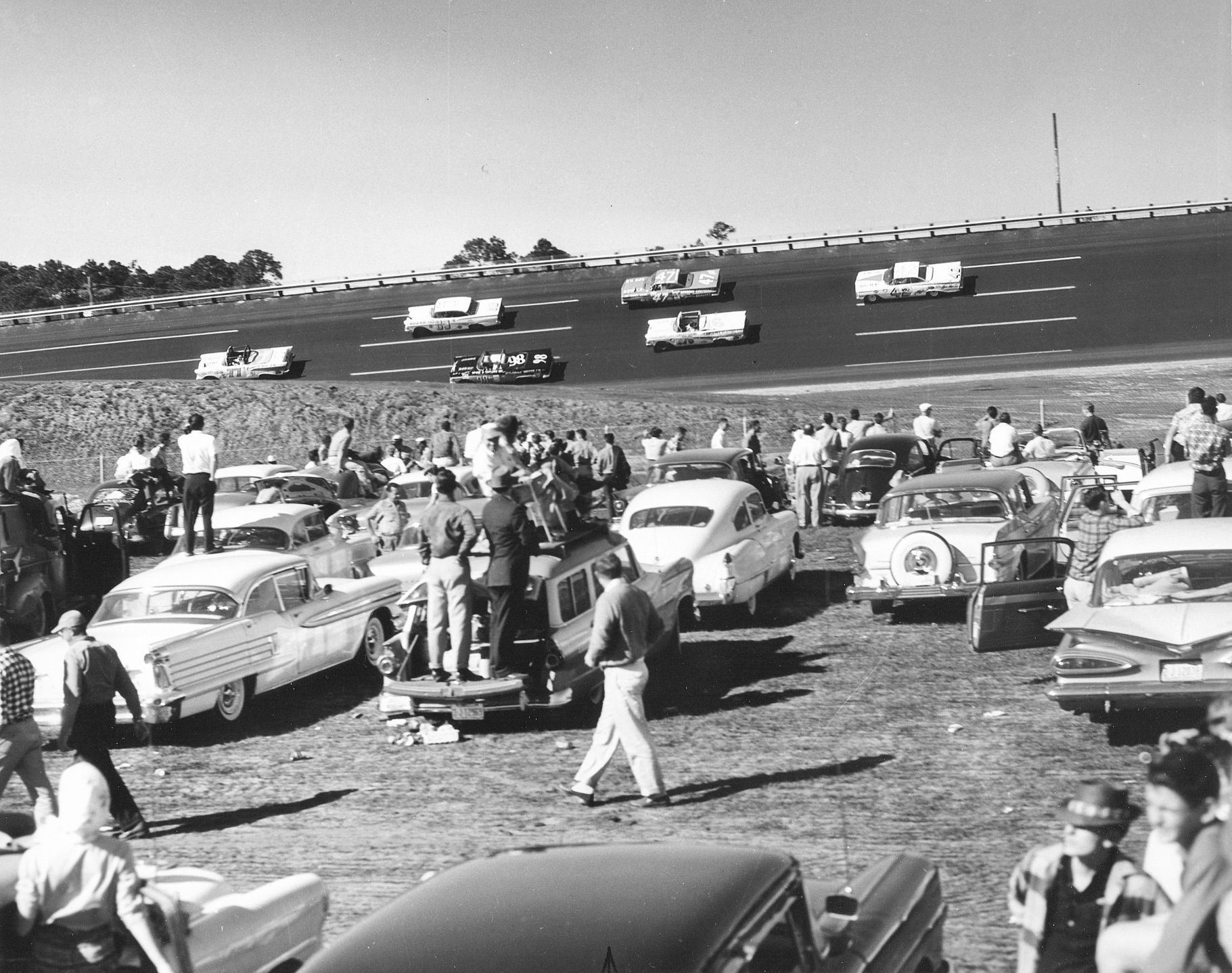
The opening of Daytona International Speedway in 1959 was a transformational moment for NASCAR. Photo courtesy of NASCAR Archives & Research Center via Getty Images
In NASCAR, creativity and innovation have been at the core of the sport since the first race on the old Daytona Beach-Road Course on Feb. 15, 1948. Every champion mechanic, engine builder and crew chief in the NASCAR Hall of Fame made sure of that.
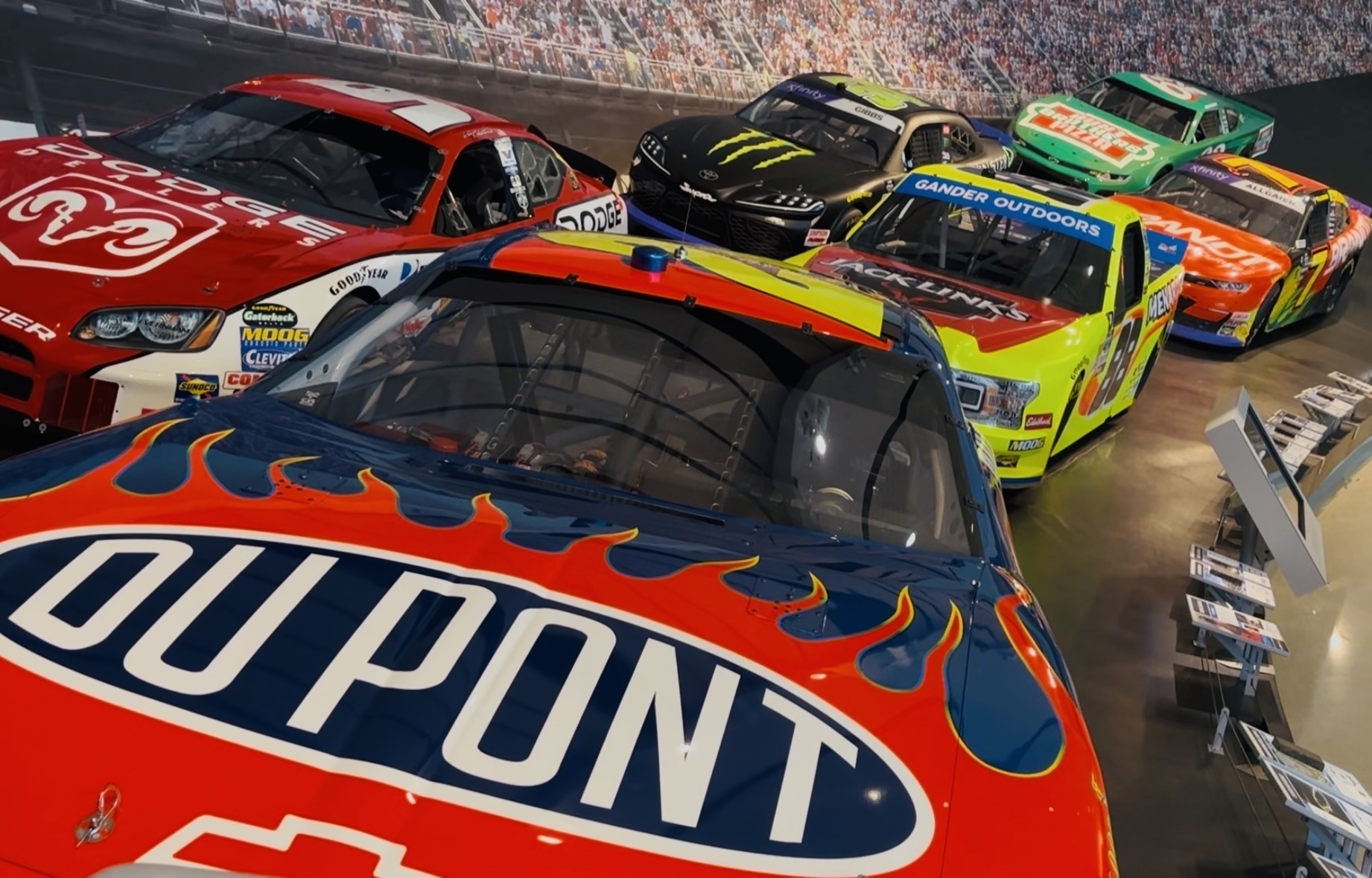
Here at the NASCAR Hall of Fame, the three platforms in Heritage Speedway were just redesigned to tell NASCAR’s story of “Evolution Through Innovation.” Using artifacts, videos, photography and other assets, we detail how creativity and innovation helped NASCAR grow to become the most popular form of motorsports in the United States.
Every inductee in the NASCAR Hall of Fame played a role in the story of “Evolution Through Innovation.”
Here are five examples:
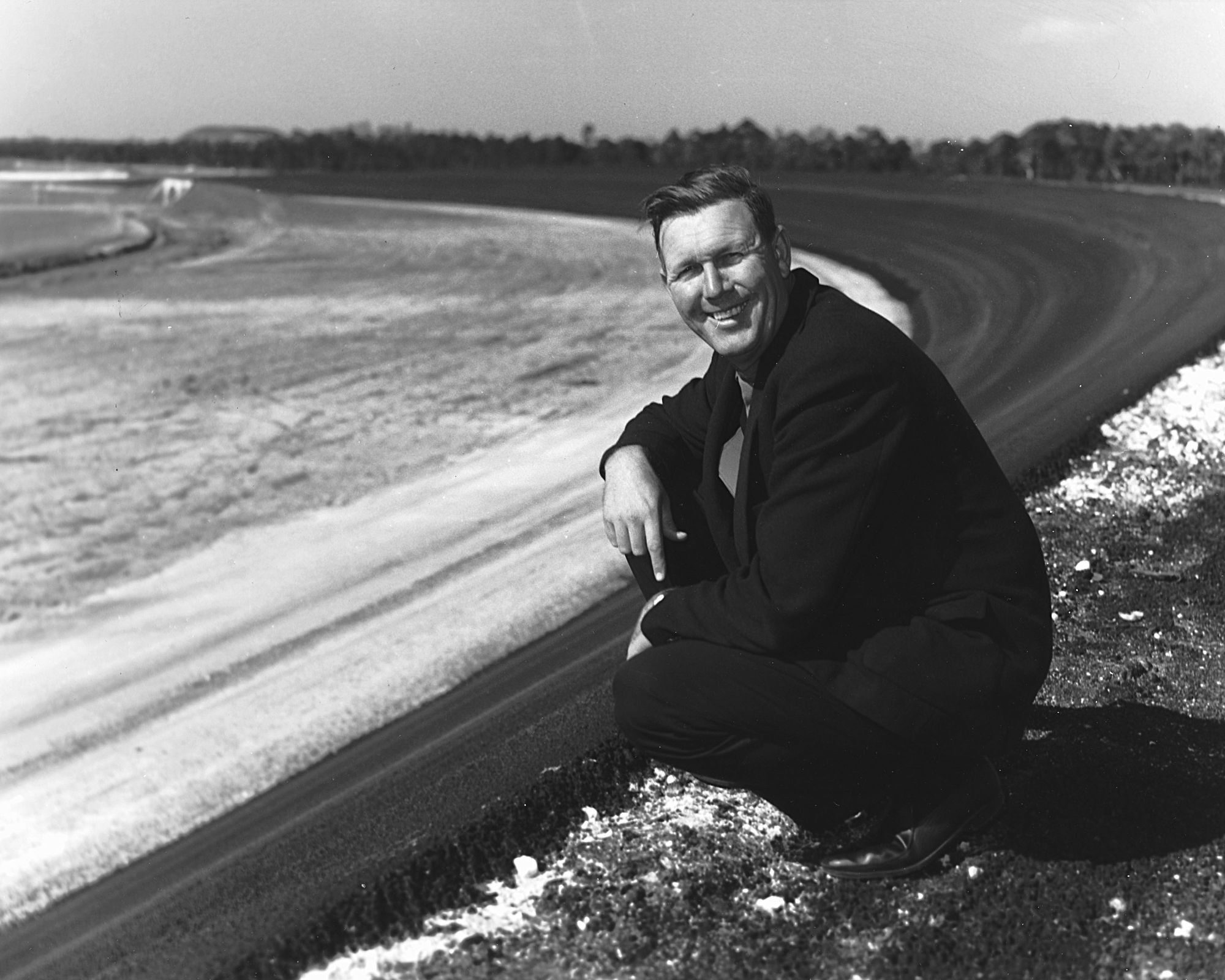
Building a high-banked superspeedway for stock-car racing in the late 1950s was not a sure thing but NASCAR founder and track developer William H.G. France made it work when he created Daytona International Speedway. Photo courtesy of NASCAR Archives & Research Center via Getty Images
William H.G. France (Class of 2010)
“Big Bill,” as France was known, deserves a spot on the list if for no other reason than the fact that he assembled a rogue’s gallery of racers, moonshiners, promoters, mechanics and owners in December 1947 and got them to agree to form a national stock-car racing sanctioning body that became NASCAR. Without France’s vision, tireless work ethic and leadership, no one knows what would have happened to the sport. But with France at the helm, NASCAR racing grew to be the most popular form of motorsports in the United States.
France’s boldest gamble might be his audacious plan to build a high-banked, 2.5-mile multi-million-dollar speedway in central Florida in the late 1950s. Critics at the time called the plan “France’s folly,” but Daytona International Speedway proved to be anything but. Opened in 1959 and subject to a $400 million renovation completed in 2016, the track is rightfully called “The World Center of Racing,” and hosts NASCAR’s biggest race, the Daytona 500, every February.
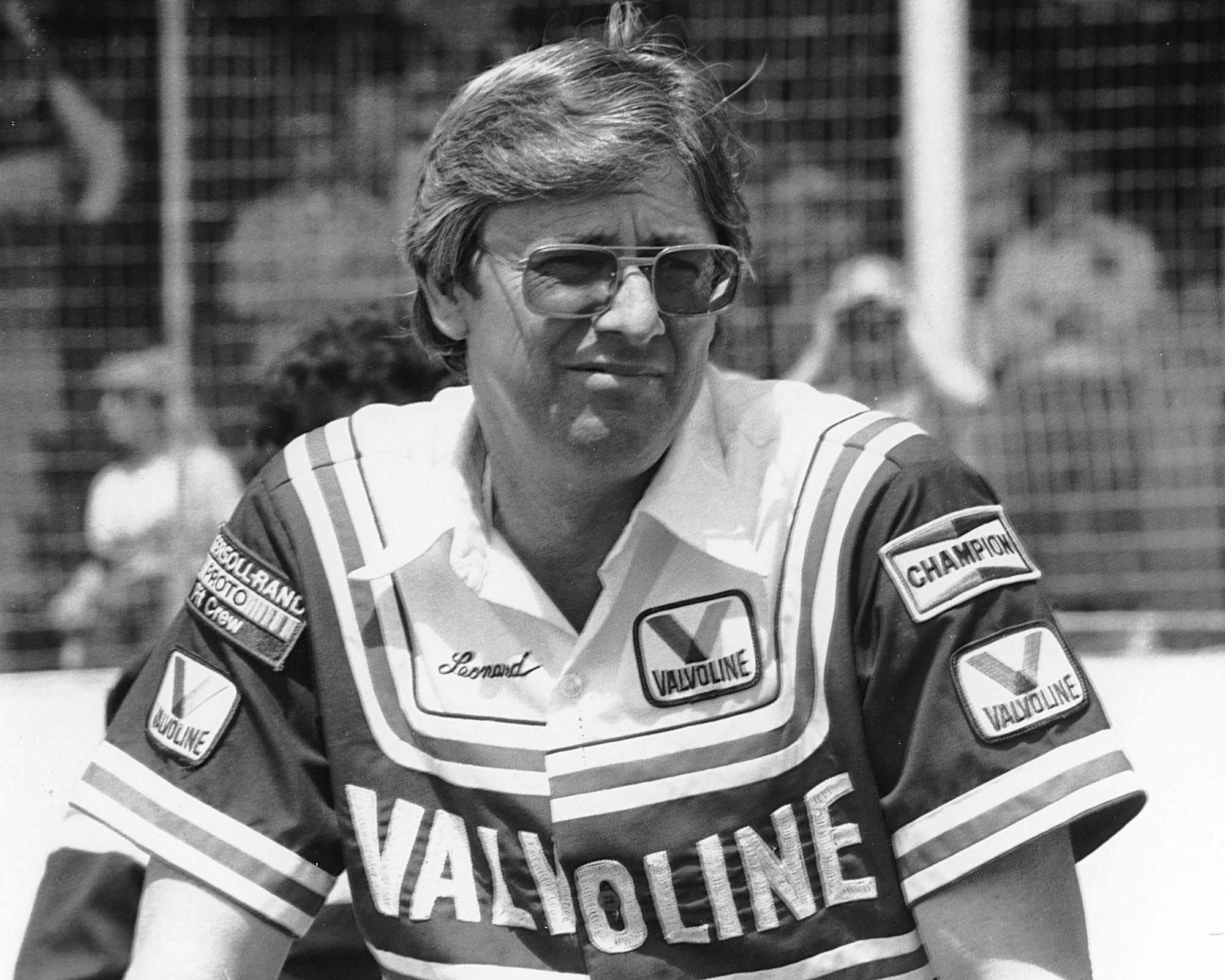
The mechanical mastermind behind Wood Brothers Racing, Leonard Wood built the team’s race cars and performed multiple roles including serving as both a crew chief and a front-tire changer. Photo courtesy of NASCAR Archives & Research Center via Getty Images
Leonard Wood (Class of 2013)
Words like “genius” and “savant” only scratch the surface when it comes to describing Leonard Wood. Among his myriad accomplishments as a chief mechanic, engine builder and crew chief, the greatest is the invention of the modern pit stop in the early 1960s. Wood correctly determined that by choreographing moves with his pit crewmen brothers, and making significant equipment innovations, he could shave pit stop times in half or better. He modified the jack to raise the car in two pumps instead of eight or nine, modified fuel cans to flow faster and improved the lug nuts to go on and off quicker. Wood’s methods were eventually emulated by every team in the sport.
Even today, at age 91, Wood is still busy creating masterworks. Among his recent projects were the construction of an exact half-size running replica of Sweepstakes, the car that Ford Motor Co. founder Henry Ford drove to victory in his first and only race in 1901. Wood gifted Sweepstakes to Edsel B. Ford II, great-grandson of Henry Ford. Wood also built a working, half-size replica of a Boss 429 engine like the Wood Brothers Racing team used in the early 1970s, along with numerous half-size carburetors that will run full-size engines.
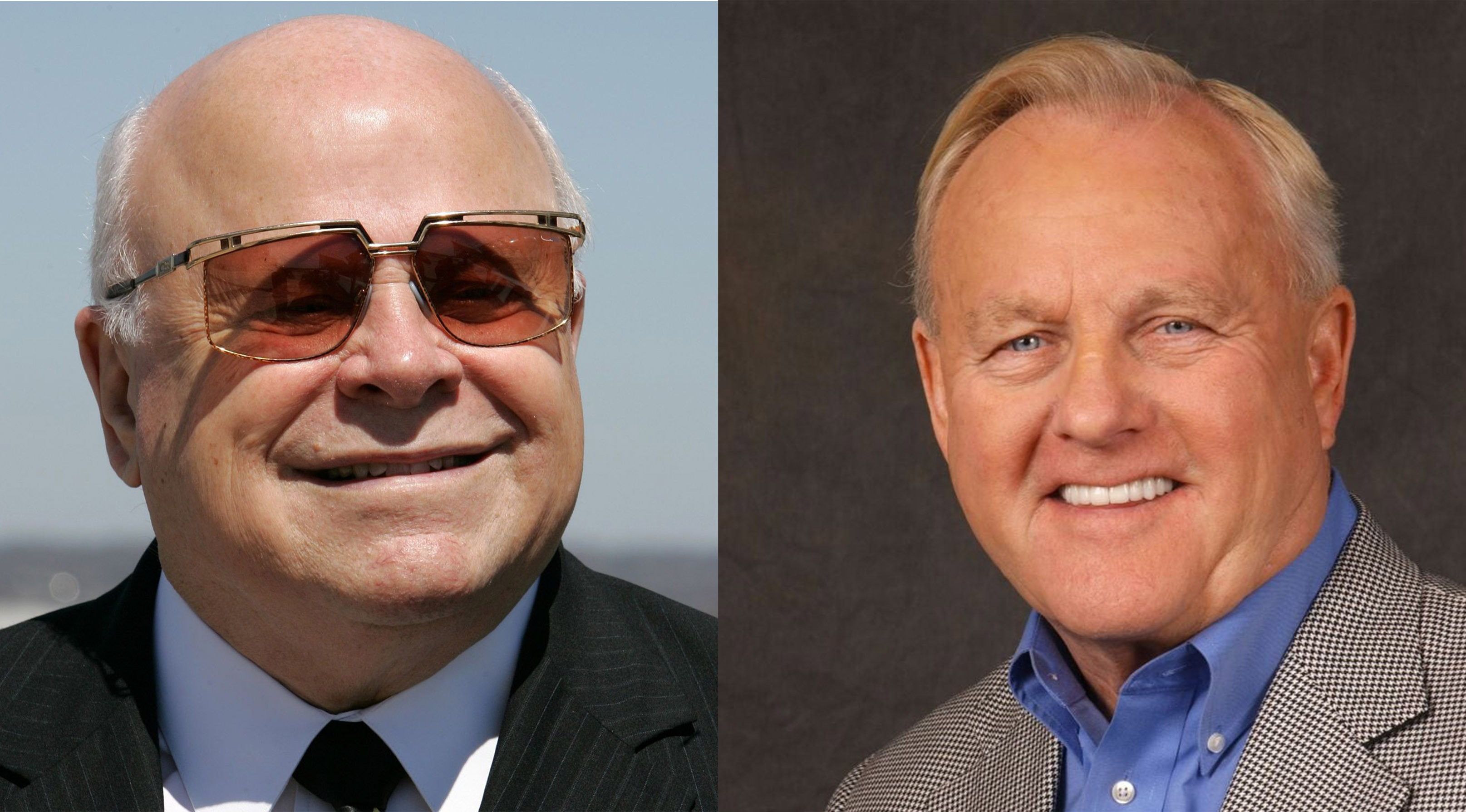
After founding Charlotte Motor Speedway in 1960, Bruton Smith (left) built a nationwide empire of race tracks with the help of track President and General Manager H.A. “Humpy” Wheeler. Photo courtesy of Charlotte Motor Speedway.
Bruton Smith (Class of 2016) and H.A. “Humpy” Wheeler (2026 Landmark Award for Outstanding Contributions to NASCAR)
A game-changing moment in NASCAR history occurred at Charlotte Motor Speedway in 1992, with the installation of a $1.7 million Musco lighting system that allowed nighttime racing on the fast, 1.5-mile track. The brainchild of track owner Speedway Motorsports Inc. CEO Bruton Smith and track President and General Manager H.A. “Humpy” Wheeler, the track‘s first night race was the 1992 running of “The Winston,” NASCAR’s annual all-star race. Billed as “One Hot Night,” the race drew a sellout crowd and rave reviews after a dramatic finish that saw Davey Allison (Class of 2019) win after crashing with Kyle Petty while taking the checkered flag at the start-finish line. Nearly 35 years later, night racing at speedways is a staple of the NASCAR schedule.
Smith and Wheeler were also responsible for other significant innovations, including building condominiums at Charlotte Motor Speedway, which quickly sold out. The track’s pre-race shows were legendary, featuring all sorts of unique entertainment, including boxing matches, school bus races, simulated military invasions and a giant, flame-throwing, car-crushing monster named Robosaurus.
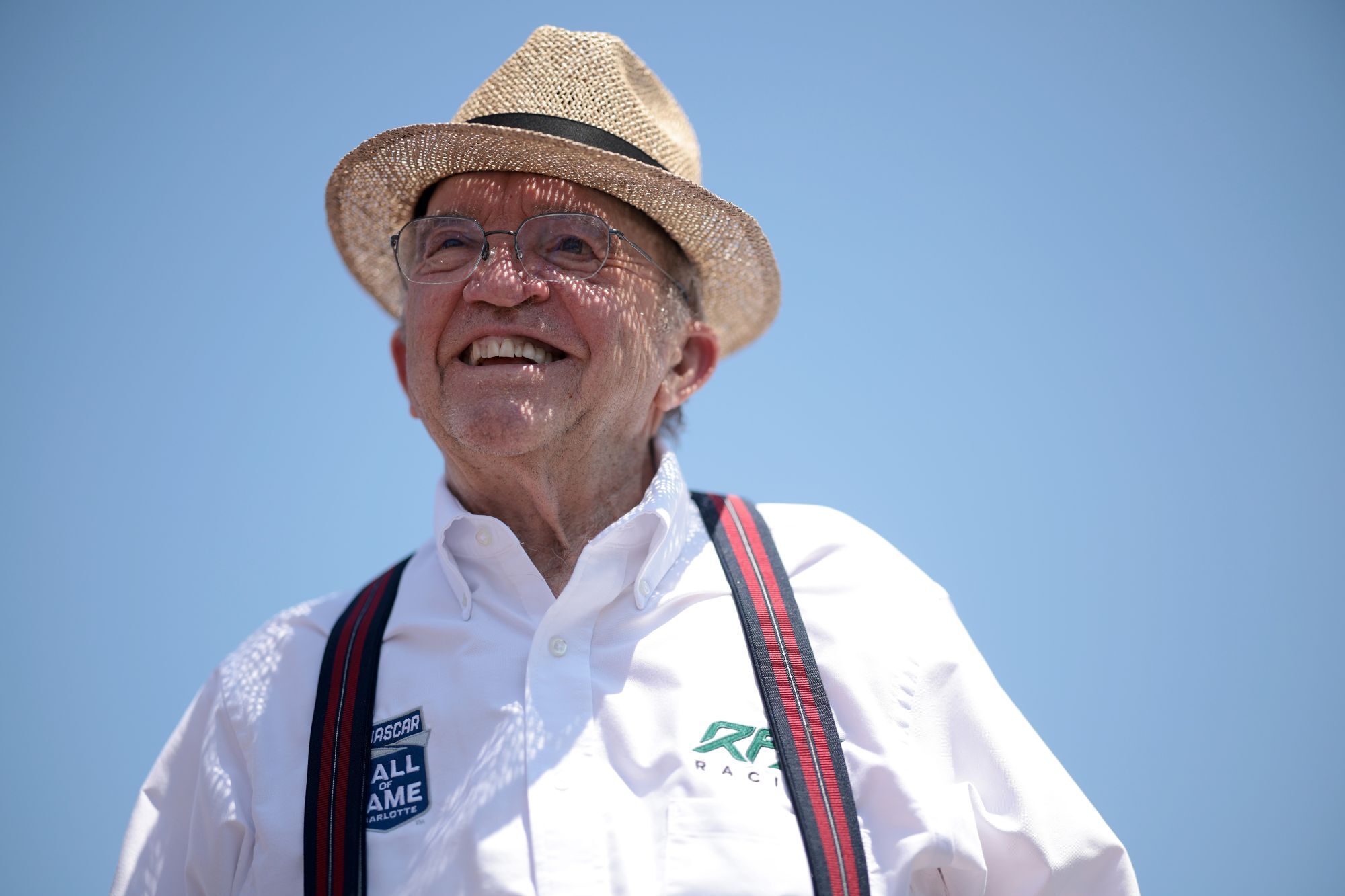
For nearly 40 years, Jack Roush has been one of the sharpest minds in the NASCAR garage. Photo courtesy of James Gilbert/Getty Images
Jack Roush (Class of 2019)
With more than 330 race victories and five owner championships in the three NASCAR National Series, team owner Jack Roush has an impressive resume. He also knows a thing or two about innovation and creativity. One of Roush’s key innovations came in driver selection. While most owners insisted on hiring drivers with extensive NASCAR Cup Series experience, Roush gambled on relatively unproven talent, hiring Mark Martin (Class of 2017), Greg Biffle, Carl Edwards (Class of 2025), Kurt Busch (Class of 2026), and Ricky Stenhouse Jr. to drive his NASCAR Cup Series cars.
Roush, who is an accomplished aviator, also played a key role in NASCAR safety, developing the roof flaps that keep race cars firmly planted to the ground during high-speed spins. The Roush-developed flaps are now mandatory in all NASCAR Cup, O’Reilly Auto Parts and Craftsman Truck Series vehicles.
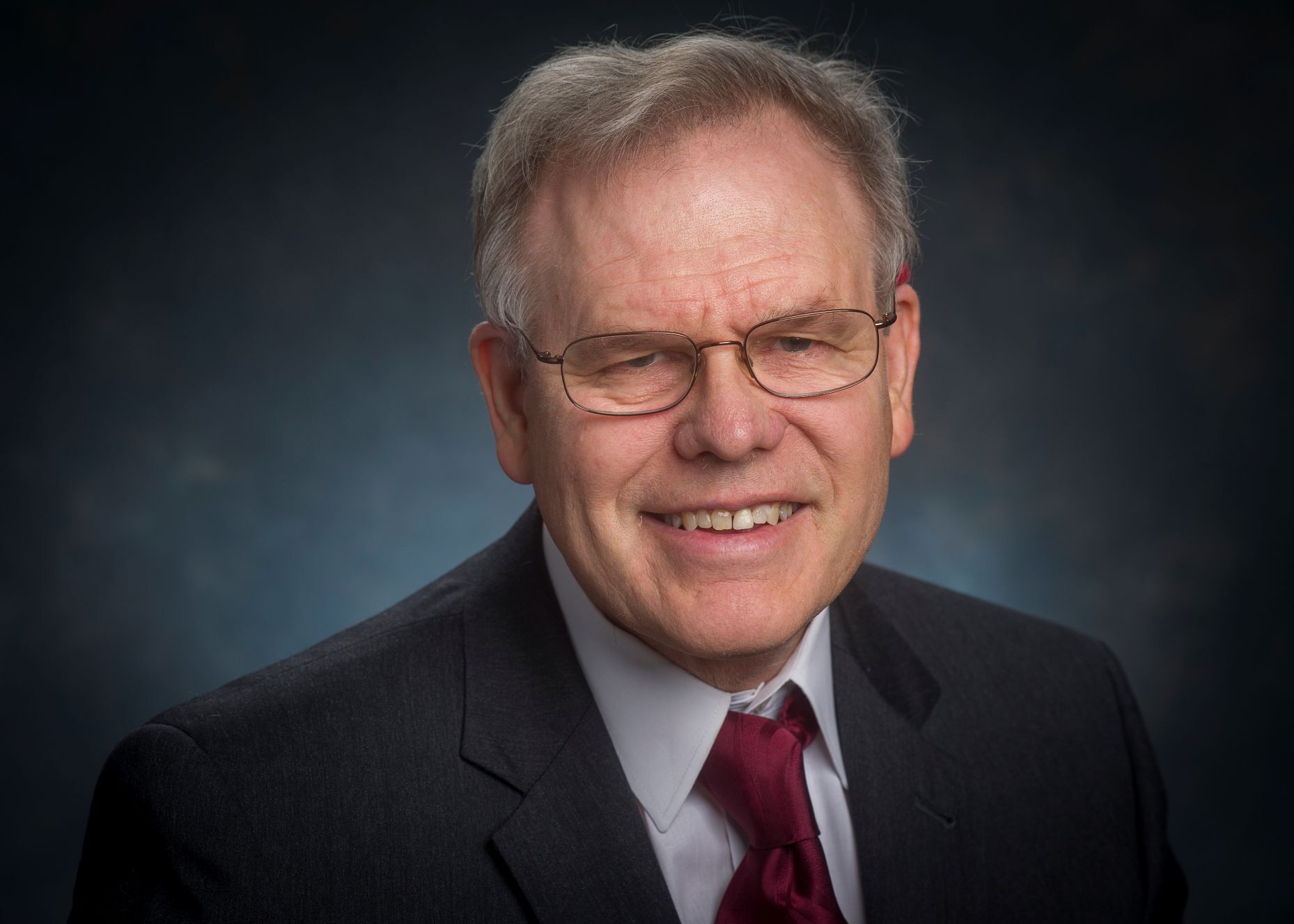
Dr. Dean Sicking’s pioneering work has greatly enhanced safety in NASCAR racing. Photo courtesy of Dr. Dean Sicking
Dr. Dean Sicking, 2025 Landmark Award for Outstanding Contributions to NASCAR
One of the most significant safety advancements in NASCAR resulted from the death of one of its biggest stars. After Dale Earnhardt (Class of 2010) was killed in a last-lap crash in the 2001 Daytona 500, NASCAR partnered with Dr. Dean Sicking and the Midwest Roadside Safety Facility at the University of Nebraska-Lincoln to study the incident and determine how to prevent future tragedies. The result was Sicking’s invention of the SAFER (Steel and Foam Energy Reduction) barrier, which greatly lessens the impact of on-track collisions with walls.
Sicking also studied each track’s incident history and helped implement a plan to immediately cover the most dangerous areas of each track with SAFER barriers. Today, SAFER barriers are installed at every NASCAR National Series permanent track.